
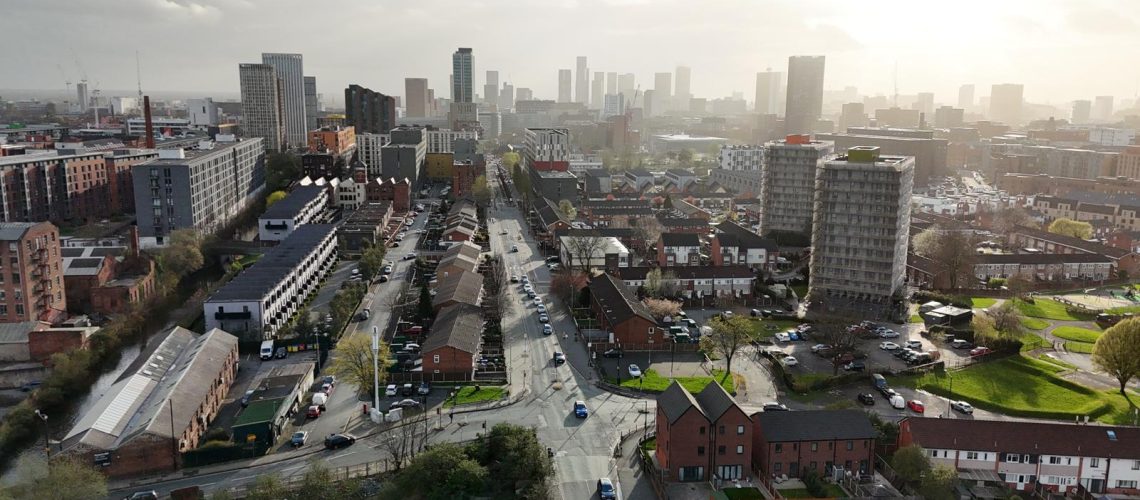
Every day a rental property sits empty is money lost.
One of the biggest mistakes I see landlords make is rushing a property back onto the market without properly preparing it for the next tenant. A quick coat of paint and a clean might seem like enough, but if the property still feels tired or has outstanding maintenance issues, you’ll often attract lower-quality tenants, receive lower offers, or leave the property vacant for longer than necessary.
At Bradwell Maintenance, we work with landlords, letting agents and property investors across Manchester, helping them get properties back to market quickly with professional end of tenancy refurbishments.
Whether it’s a city centre apartment, a family home or part of a larger portfolio, the goal is always the same – minimise the void period, maximise rental income and hand over a property that the next tenant will be proud to move into.
This guide explains exactly what we recommend checking between every tenancy.
Why an End of Tenancy Refurbishment Matters
A tenancy ending is the perfect opportunity to inspect the property properly.
Many issues aren’t obvious while a tenant is living there, but become much more noticeable once the property is empty.
Taking the time to complete any repairs before marketing the property again can help you:
- • Reduce void periods
- • Achieve a higher rental value
- • Attract better quality tenants
- • Reduce maintenance call-outs
- • Protect your long-term investment
- • Maintain your property's reputation
It’s usually far cheaper to carry out planned maintenance while the property is empty than to deal with emergency repairs after a new tenant has moved in.
Step 1 – Carry Out a Full Property Inspection
Before any work starts, we always recommend a thorough inspection of the entire property.
Look at every room individually and create a schedule of work.
Things to check include:
- • General decoration
- • Flooring condition
- • Doors and handles
- • Windows
- • Smoke alarms
- • Lighting
- • Electrical sockets
- • Plumbing
- • Heating
- • Roof (if applicable)
- • External areas
Taking photographs during the inspection is also useful for your records and future comparisons.
Step 2 – Check for Damage Rather Than Wear and Tear
Not everything needs replacing.
One of the biggest challenges for landlords is understanding the difference between fair wear and tear and actual damage.
Fair wear and tear might include:
- • Minor scuff marks
- • Slight carpet wear
- • Faded paintwork
- • Small settlement cracks
- Damage may include:
- • Broken doors
- • Holes in walls
- • Burn marks
- • Broken kitchen units
- • Damaged flooring
- • Missing fixtures
- • Broken tiles
Replacing items unnecessarily increases costs without improving returns.
Step 3 – Fresh Decoration
Nothing transforms a property quicker than fresh paint.
Most rental properties benefit from repainting high-traffic areas between tenancies.
We normally recommend:
- • White ceilings
- • Light grey or warm neutral walls
- • White satin or gloss woodwork
Neutral colours appeal to the widest range of tenants and photograph much better for online listings.
Step 4 – Repair or Replace Flooring
Flooring has a huge impact on first impressions.
Ask yourself:
- • Is it stained?
- • Is it damaged?
- • Is it lifting?
- • Does it smell?
- • Is it worn beyond cleaning?
Depending on the condition, you may only need a professional carpet clean.
If replacement is required, durable options such as laminate flooring or luxury vinyl flooring are often ideal for rental properties.
Bedrooms can still benefit from quality hard-wearing carpets where appropriate.
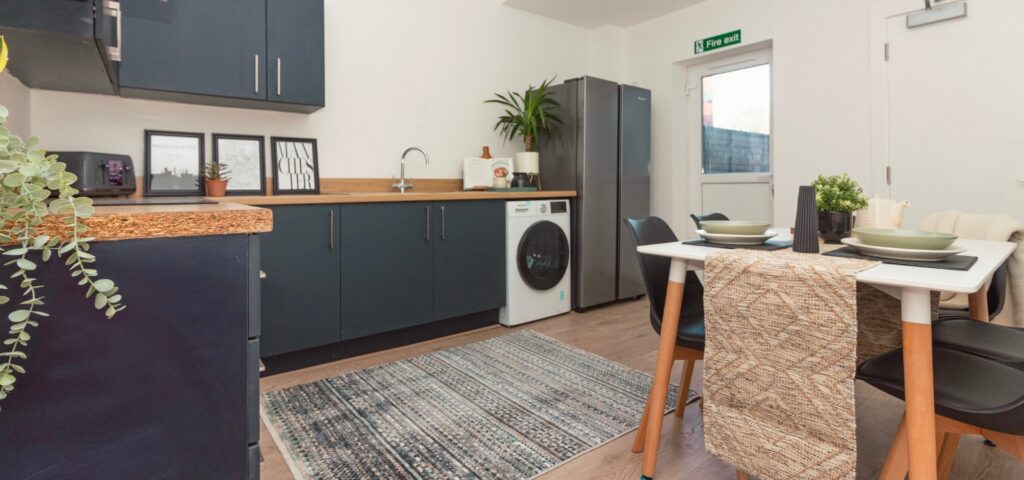
Step 5 – Inspect the Kitchen
The kitchen is one of the most important rooms when prospective tenants view a property.
Fortunately, a complete replacement isn’t always necessary.
We often recommend:
- • Replacing damaged doors
- • New handles
- • New worktops
- • New sink and tap
- • Replacing broken appliances
- • Re-sealing worktops
- • Deep cleaning cupboards
Sometimes these relatively small improvements can completely modernise the kitchen.
Step 6 – Refresh the Bathroom
Bathrooms should always feel clean, modern and well maintained.
Things we commonly replace include:
- • Shower screens
- • Silicone seals
- • Toilets
- • Basin taps
- • Vanity units
- • Mirrors
- • Flooring
- • Extractor fans
Even replacing tired accessories can make the room feel significantly newer.
Step 7 – Electrical and Safety Checks
Landlords have legal responsibilities to ensure their properties are safe.
Between tenancies is the ideal time to check:
- • Smoke alarms
- • Carbon monoxide alarms
- • Consumer unit
- • Light fittings
- • Damaged sockets
- • Faulty switches
- • Extractor fans
Any issues should be addressed before marketing the property.
Step 8 – Plumbing and Heating
Nobody wants their first maintenance issue to be a leaking radiator or faulty boiler.
Before new tenants move in, inspect:
- • Boiler operation
- • Heating controls
- • Radiators
- • Pipework
- • Water pressure
- • Kitchen taps
- • Bathroom taps
- • Waste pipes
Preventative maintenance often avoids expensive emergency call-outs later.
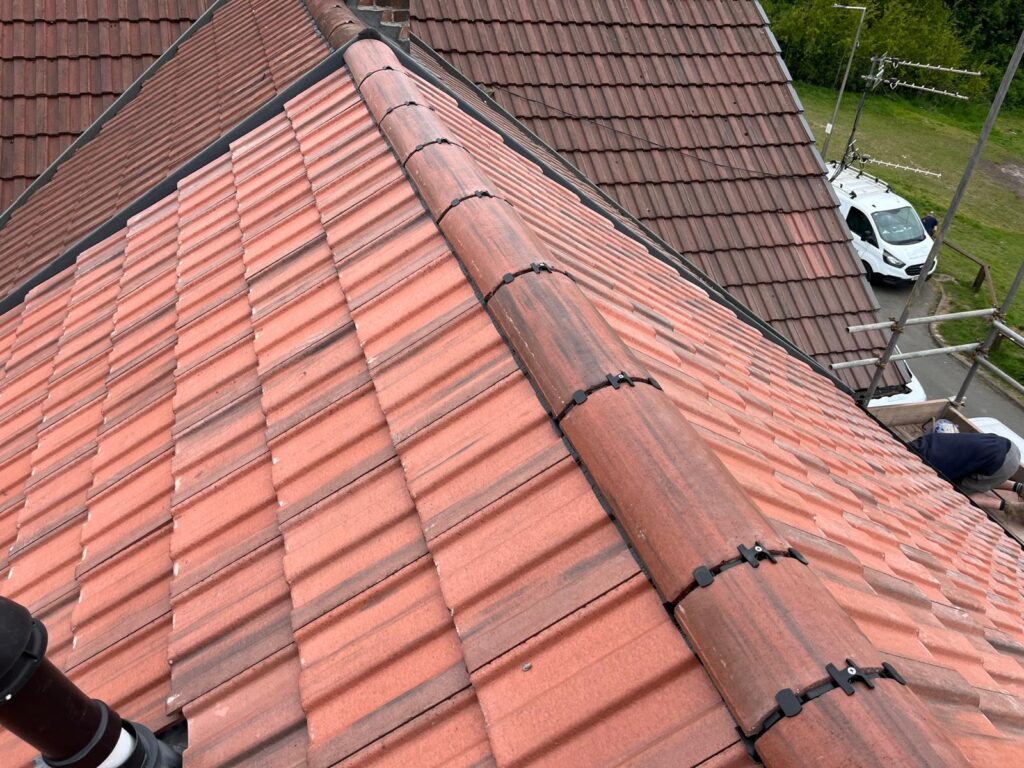
Step 9 – Don't Forget the Roof
Many landlords overlook the roof because they rarely see it.
Unfortunately, roofing issues often become some of the most expensive repairs.
Check for:
- • Missing roof tiles
- • Leaking gutters
- • Damaged fascias
- • Chimney defects
- • Flat roof problems
At Bradwell Maintenance, we can also carry out drone roof surveys, allowing us to identify issues safely without unnecessary disruption.
Step 10 – Deep Clean the Property
Even the best refurbishment can be ruined by poor presentation.
Before marketing the property, ensure:
- • Carpets are cleaned
- • Windows are spotless
- • Kitchens are degreased
- • Bathrooms are sanitised
- • Skirting boards are wiped down
- • Cupboards are cleaned
- • Appliances are cleaned
- • External areas are tidy
Professional photographs always look better in a clean property.
Manchester City Centre Apartments
Apartment refurbishments often require additional planning.
Building management companies may require:
- • Lift bookings
- • Parking permits
- • Waste disposal arrangements
- • Restricted working hours
- • Concierge access
We’ve completed numerous apartment refurbishments throughout Manchester city centre and understand how to keep projects moving while complying with building regulations and management requirements.
Why Use One Contractor?
Trying to organise decorators, plumbers, electricians, flooring installers and cleaners separately often causes delays.
By using one contractor to manage the entire refurbishment, you benefit from:
- • One quotation
- • One project manager
- • One schedule
- • Better communication
- • Faster completion
- • Less stress
This is particularly valuable if you own multiple rental properties or live outside Manchester.
Typical End of Tenancy Refurbishment Costs
Every property is different, but as a rough guide:
- Decorating only From £1,000
- Decoration and flooring From £2,500
- Kitchen and bathroom refresh From £5,000
- Full end of tenancy refurbishment From £8,000+
The best approach is always to have the property inspected so work can be prioritised based on your budget and rental goals.
Our End of Tenancy Refurbishment Service
We regularly help landlords, investors and letting agents prepare properties for new tenants.
Our services include:
- • Full decoration
- • Flooring
- • Kitchen repairs and replacements
- • Bathroom upgrades
- • Roofing
- • Plumbing
- • Electrical work
- • Joinery
- • Plastering
- • Appliance replacement
- • Waste removal
- • Professional cleaning
- • Full project management
Whether your property needs a simple refresh or a complete renovation, we’ll help you get it back on the market as quickly as possible.
Frequently Asked Questions
How quickly can an end of tenancy refurbishment be completed?
Every project is different, but careful planning and using one contractor to coordinate all trades can significantly reduce turnaround times.
Do you work with letting agents?
Yes. We work closely with landlords, estate agents and property management companies across Manchester.
Can you refurbish occupied properties?
Yes, although empty properties generally allow work to be completed more efficiently and with less disruption.
Can you complete roofing work as part of the refurbishment?
Absolutely. Our team carries out everything from minor roof repairs to complete reroofing projects, alongside internal refurbishment works.
Need an End of Tenancy Refurbishment in Manchester?
If your tenant has recently moved out and you’re preparing your property for its next tenancy, we’d be happy to help.
At Bradwell Maintenance, we provide complete end of tenancy refurbishment services throughout Manchester, including city centre apartments, family homes and buy-to-let investment properties.
From a simple redecoration to a full refurbishment, we’ll manage the project from start to finish, helping you minimise your void period, protect your investment and get your property ready for its next tenant.
Get in touch with our team today to arrange a property visit and receive a detailed, no-obligation quotation.